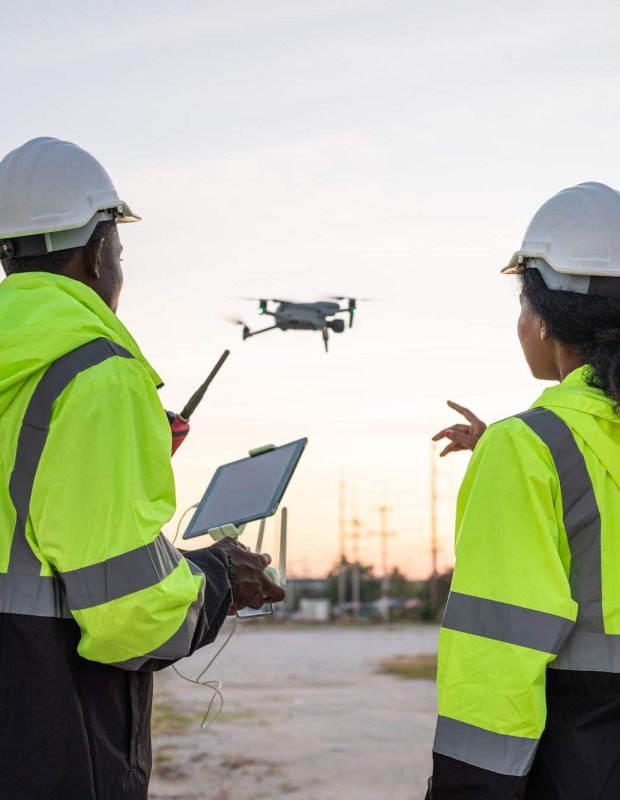








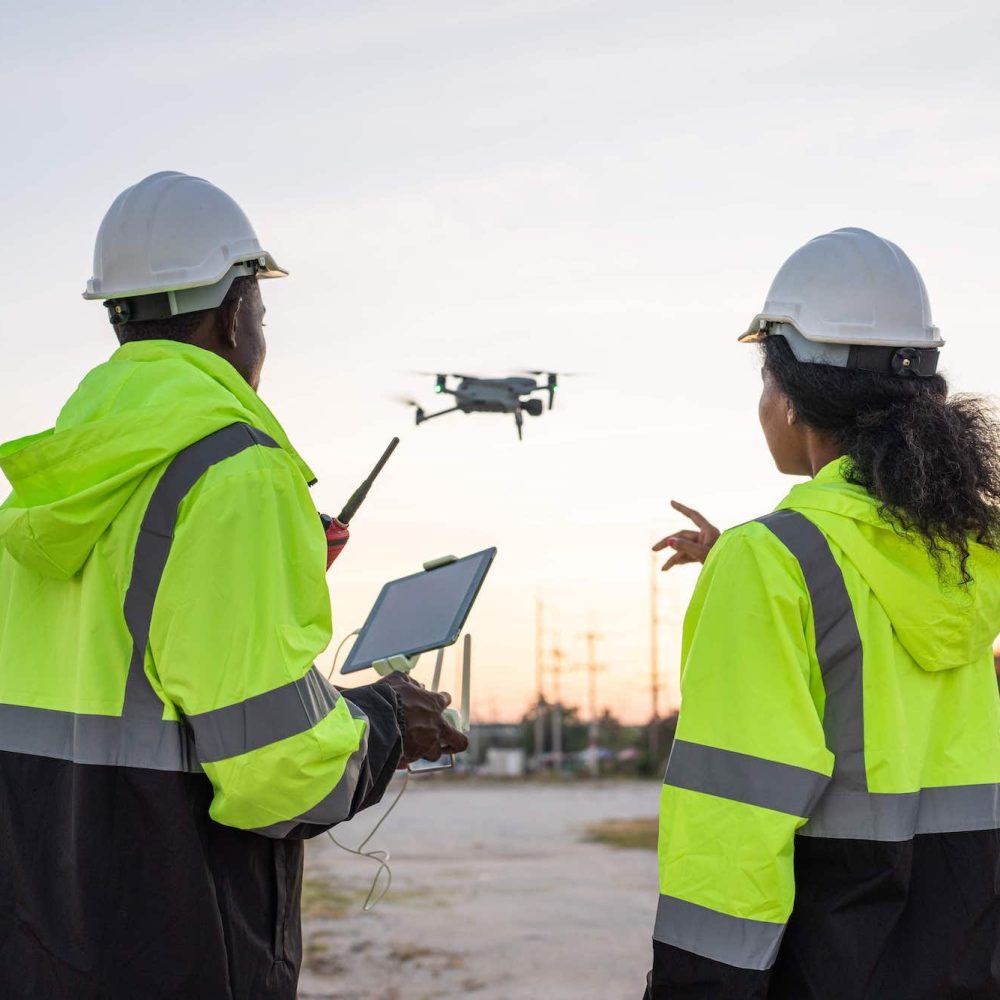
Technological advances have transformed how building surveyor’s work. Drones, digital mapping and video conferencing are now familiar tools and deliver real efficiency gains: aerial surveys speed up inspections, reduce safety exposure and generate rich datasets and 3D models that help us understand building form at scale. Yet the convenience of remote tools can create a false economy if they become a box-ticking substitute for a close, tactile inspection where one is needed.
Drones are brilliant for obtaining an overall view of a roof’s condition and for highlighting obvious issues such as displaced sheets, areas of corrosion, missing fixings or significant ponding. But they cannot replicate the judgment that comes from physically standing on a roof and examining the fabric with your hands and eyes. Small but critical defects such as crazing of plastisol coatings, poorly seated laps, loose fixings, degraded sealants and trapped debris in gutters are frequently invisible from aerial imagery. A drone also cannot test the adhesion of coatings, clear a small area to reveal substrate condition, or confirm whether a fastener is merely surface-loosened or about to back out.
Practical access solutions like MEWPs, mobile scaffolds or safe ladder systems remain vital. They allow surveyors to perform focused hands-on checks, take samples where appropriate, and form a considered professional opinion. Those extra few minutes spent securing safe access can materially improve the quality of advice we give clients, prevent overlooked liabilities and protect surveyors from the risk of future claims where a defect was missed because a remote-only inspection was assumed to be sufficient.
The same principle applies to client engagement. Teams software and video calls have cut travel time and made communication more efficient. Yet meeting a client in person and walking a site together, discussing concerns over coffee, or presenting findings face-to-face helps to build trust and often uncovers contextual information that a remote call will not. Clients value the effort; it differentiates our service in a crowded marketplace.
This is not an argument against technology. Far from it. Drones, 3D models and remote meetings are powerful adjuncts to our work that, used thoughtfully, increase productivity and safety. The point is to avoid reflexive reliance. Each inspection should start with a simple professional question: what do I need to know, and what method will deliver that reliably? Where close inspection is required, plan for safe, hands-on access and document why that choice was made.
In short: embrace tech, but don’t hand the keys to it. Let purpose, not novelty or convenience, determine whether a roof survey is drone-assisted or hands-on. That judgment protects clients, preserves professional standards and keeps surveyors on the right side of risk. To support this balance, firms should invest in training and clear procedures that define when hands-on access is required, how to deliver it safely, and how to record decisions. Such governance ensures technology complements, rather than replaces, professional judgement, delivering best outcomes for clients.